Treaty of Peace and Friendship with Bhutan (1949)
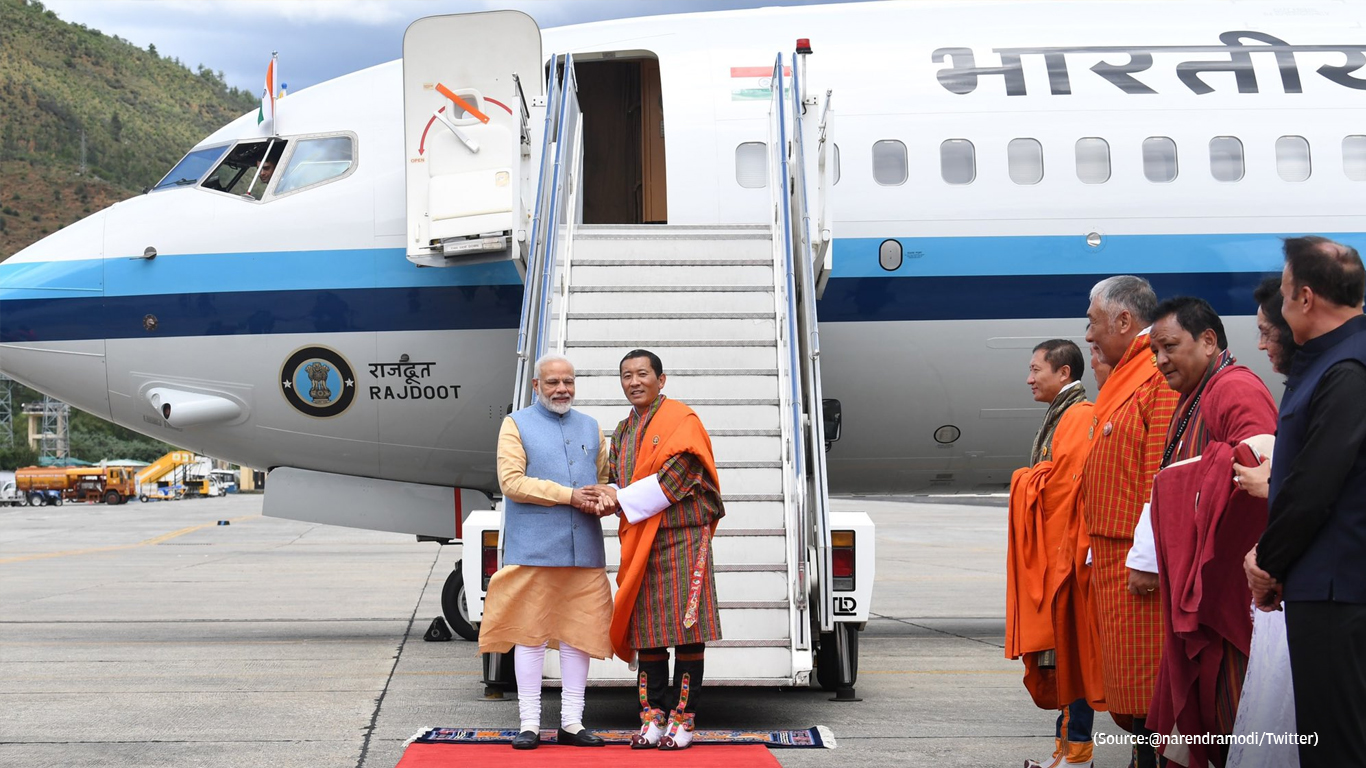
Treaty of Peace and Friendship with Bhutan (1949)
The Treaty of Peace and Friendship, established in 1949 between India and Bhutan, was a landmark event that laid the foundation for diplomatic relations between the two countries. This treaty not only recognized Bhutan as a fully independent and sovereign nation but also strengthened the geopolitical ties between these Himalayan neighbors.
Signed on August 8, 1949, the treaty paved the way for mutual cooperation and support, thus enhancing the international relations profile of both nations. This historic agreement has been a cornerstone in maintaining peace and fostering friendship between India and Bhutan, something that has endured over the decades.
This pivotal moment in South Asia’s history underscores the importance of regional cooperation and the commitment of India and Bhutan to maintaining harmonious relations. The treaty has been instrumental in ensuring mutual respect and understanding, contributing significantly to the stability and development of the region.
Historical Significance
As scholars and students alike explore this momentous treaty, it becomes clear that its implications extend beyond mere diplomatic relations. The friendship born from this treaty has seen Bhutan and India support each other in various developmental, environmental, and cultural initiatives.
For those studying international relations, the Treaty of Peace and Friendship serves as a case study in diplomatic strategy and international cooperation, illustrating the power of treaties in fostering long-lasting bilateral ties.


Comments
Post a Comment