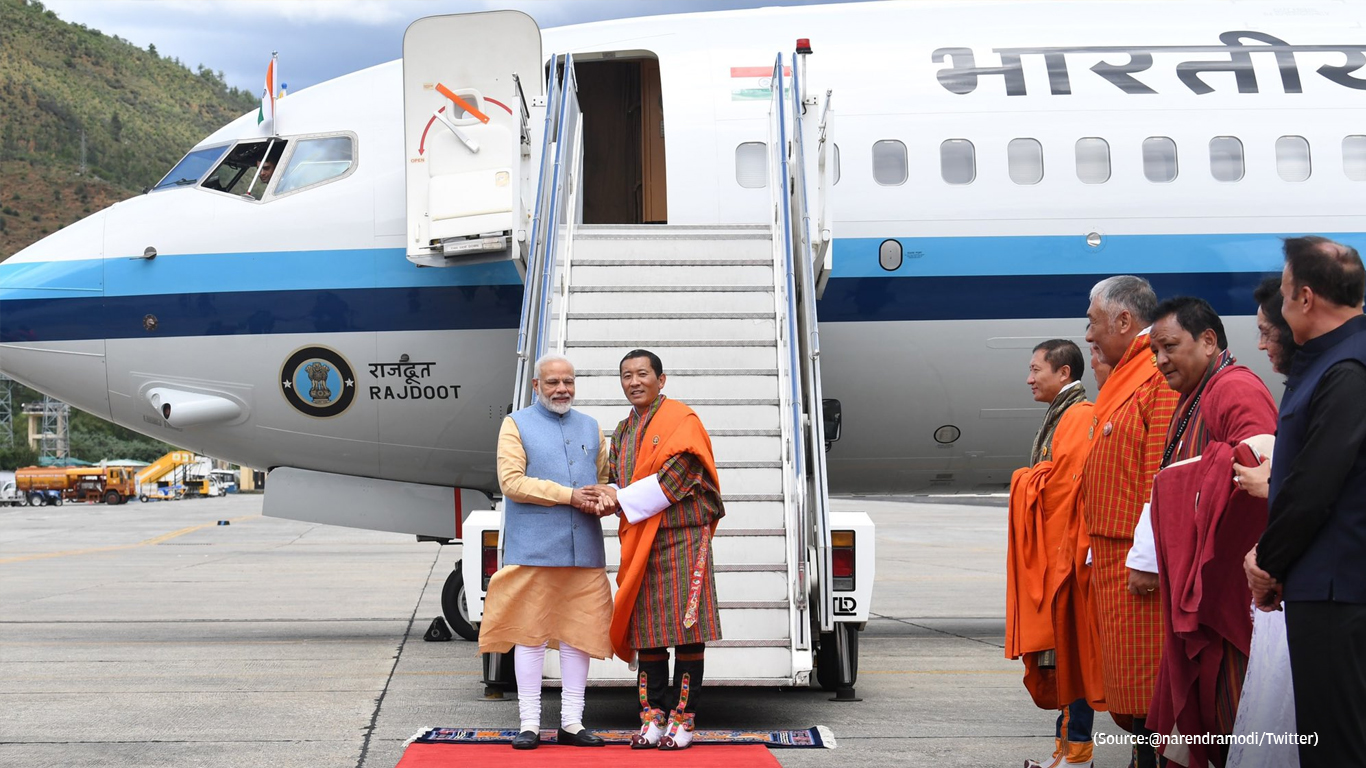
The Treaty of Peace and Friendship of 1949 between India and Bhutan is a significant historical agreement that laid the foundation for the unique relationship the two neighboring countries share today. Signed on August 8, 1949, in Darjeeling, India, the treaty established formal diplomatic relations between India and Bhutan. It highlighted India's recognition of Bhutan as an independent and sovereign nation, setting a precedent for how neighboring countries could coexist peacefully despite geopolitical complexities.
**Key Elements of the Treaty:**
1. **Recognition of Sovereignty**: The treaty acknowledged Bhutan's independence, affirming its status as a sovereign entity. This recognition was crucial at a time when Bhutan was seeking to maintain its autonomy while managing influences from its larger neighbors.
2. **Diplomatic and Economic Cooperation**: The treaty set the stage for extensive collaboration in various domains, including diplomatic exchanges and economic assistance. This cooperation has been pivotal in Bhutan’s development journey, with India consistently contributing to Bhutan's economic projects.
3. **Mutual Respect and Non-Interference**: Both countries agreed to remain mindful of each other's sovereignty and pursue peaceful consultations regarding foreign policy, fostering a sense of mutual respect and understanding.
4. **Security Concerns**: The treaty laid out provisions for defense collaboration, wherein Bhutan would seek Indian guidance on its external relations, especially concerning defense matters. This aspect of the treaty underscores the strategic importance of Bhutan in regional security.
The treaty has undergone revisions, most notably in 2007, to better reflect the evolving relationship between the two countries while ensuring that Bhutan's sovereignty and independence are respected and maintained. The relationship between India and Bhutan continues to serve as a model of bilateral cooperation, especially in a region characterized by complex geopolitics.
**Historical and Geopolitical Context**:
- **Himalayan Neighbors**: Recognizing the challenges posed by their geographical proximity, India and Bhutan's relationship has been crucial in maintaining stability in the Himalayan region.
- **Geopolitics**: As part of the broader South Asian geopolitical landscape, the treaty underscores the importance of diplomatic dialogues and peaceful coexistence among nations.
The 1949 Treaty of Peace and Friendship is not just an agreement; it is the cornerstone of India-Bhutan relations, symbolizing a deep-rooted friendship and strategic partnership that has been nurtured over decades. It remains a testament to the peaceful and cooperative spirit that characterizes the relationship between these two countries.
**Relevant Hashtags**:
- #IndiaBhutanRelations
- #BhutanIndia
- #TreatyOfPeaceAndFriendship
- #DiplomaticRelations
- #IndependentBhutan
- #SovereignNation
- #HistoricalTreaty
- #IndiaBhutanFriendship
- #InternationalRelations
- #HimalayanNeighbors
- #Geopolitics
- #SouthAsiaHistory


Comments
Post a Comment