Quit India Movement (1942)
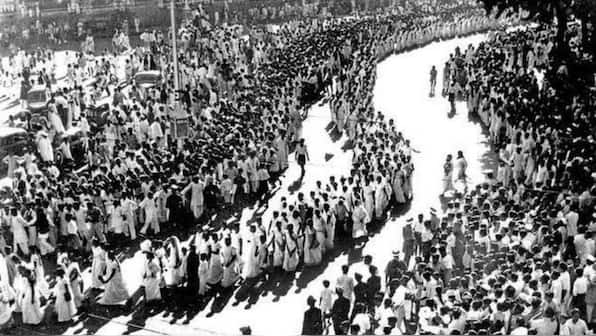
Quit India Movement 1942 – Understanding Its Impact on India's Freedom Struggle
On this day in 1942, Mahatma Gandhi initiated a monumental wave of civil disobedience through the Quit India Movement. This historical movement echoed across the nation with the powerful slogan, "Do or Die," as a clarion call for an immediate end to British colonial rule. Despite the substantial challenge posed by the arrest of key leaders, the movement marked unprecedented participation, embodying Indian society’s unyielding resolve for complete independence. This hallmark event in our Indian Freedom Struggle exemplifies the strength of a united nation, illustrating the collective drive for emancipation.
A Glance at the Origins and Objectives of the Quit India Movement
Launched on August 8, 1942, at the Bombay session of the All-India Congress Committee, the movement aimed to exert pressure on the British to exit India. The Quit India Resolution demanded a swift and unambiguous end to British occupation. Gandhi's leadership galvanized the public to embrace a non-violent path of resistance, emphasizing their goal through the "`Do or Die`" mantra.
The People’s Resilience and the Movement's Challenges
Despite facing immediate suppression and mass arrests, including that of Gandhi and other prominent leaders, the people of India displayed incredible resilience. This nationwide participation without central leadership illustrated the deep-rooted desire for independence and set the stage for India’s post-war negotiations for freedom.
Significance for Today's Youth
For students, the Quit India Movement is more than just an event; it is a lesson in determination, collective unity, and the power of peaceful protest. It teaches valuable insights into leadership and the spirit of resilience which remain relevant in contemporary societal and personal challenges.
Frequently Asked Questions about the Quit India Movement
- Q: What was the immediate cause of the Quit India Movement?
A: The movement was catalyzed by Britain's continued colonial governance and refusal to grant India complete independence amidst World War II circumstances. The immediate rejection of the Cripps Proposal further fueled the urgency for direct action. - Q: How did the British government respond to the Quit India Movement?
A: The British government responded with a heavy hand, employing mass detentions, censorship, and cutting off communication networks to deter the movement. - Q: Why is the slogan "Do or Die" so significant?
A: This slogan encapsulated the intensity and resolve of the movement, motivating millions towards unwavering commitment for India's freedom.
Educational Reflection: Lessons from the Quit India Movement
The Quit India Movement serves as a seminal chapter in India's journey to independence. Here are a few study tips and best practices derived from this historic event:
- Study Tip: Develop clarity of concepts like "Do or Die" to appreciate


Comments
Post a Comment